

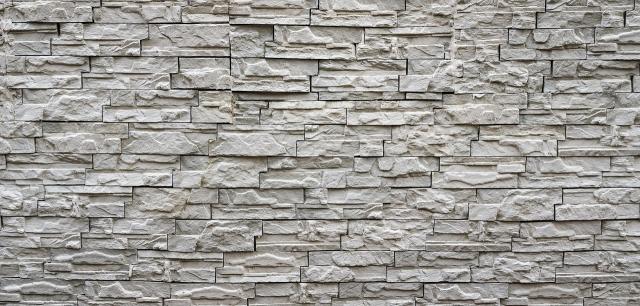
There is something appealing about natural stone tiles. Perhaps it is how every tile holds part of the history of the earth, or the slight differences you will never see in artificial materials. However, natural stone tiles somehow tend to make a house feel more interconnected, inhabited, and purposeful.
Wondering whether stone is the right material foryour space? You have come to the right place. We are going to discuss why stone tiles are unique. We will touch on where they workwelland even when you may need to reconsider your choice.
Marble: The classical elegance
Marble is the most popular tile for luxury floors or spa-like bathrooms. It is created when limestone is put under high pressure and temperature deep in the earth and is then turned into denser stone with its typical veining.
Its veins are flimsy and fluttery. They can also be sturdy and theatrical. This stone has a way of elevating and polishing any space.
Pros
It offers a natural style with a luxurious finish. This immediately illuminates a room.
You will find assorted styles of marble tiles at the Wall Boulevard. For instance, light whites in small rooms can make the room look larger. On the other hand, dark marbles help to create the atmosphere of a movie theater.
Cons
What people do not know is that marble is soft and porous. It is easily stained. Acidic spills and stains can etch it. Therefore, it must be sealed to help protect it.
Marble needs commitment and attention. Therefore, not ideal if you want a carefree surface.
Best uses in the home
- Bathrooms
- Feature walls
- Low-traffic areas
- Powder rooms
- Decorative accents
- Kitchens, but you must be prepared to adopt a lived-in appearance.
Limestone: Earthy, soft, and understated
Do you desire a home that is grounded and relaxing? Then, limestone is what you should go for. The mineral is formed due to the compression and piling up of the shells, corals, and sediments in the ancient seas.Its colors are inclined to:
- Warm beige
- Soft grey
- Creams.
These colors make the room look easy and cozy.
Pros
Limestone is naturally matte with a friendly, warming effect that is perfect to use in minimalistic, rustic designs, and Mediterranean-inspired designs.
It is not hard like most stones, so it has that natural, worn-out look.
Cons
It is soft and thus capable of scratching and wearing away with time. Similar to marble, it requires a sealant to help it resist stains.
Limestone may not be a first choice if you want a tile that stays clean for decades.
Best uses in the home
- Seating areas
- Corridors
- Bedrooms
- Interior walls.
Limestone is a good material for those who prefer tiles that age gracefully.
Travertine: Cozy, rough, and classic
This one is the close cousin of limestone but has much more natural texture in its tiny pits and holes,giving it a certain characteristic. It develops when the hot springs with minerals liquefy and then re-solidify. The result is a stone filled with natural pits and air holes.You will find it everywhere in European houses, where it is used to make patios, floors, and courtyards that feel hundreds of years old.
Pros
The natural quality of travertine is warm and real in any space.
It is sturdy and inexpensive.
It is available in different colors, including walnut, beige, ivory, and gold.
It also has a textured finish. This makes it naturally slip-resistant.
Cons
The natural pits in the tilesrequire sealing.
Travertine is sensitive to acids. Therefore, spills should not be left unattended.
Best uses in the home
- Entrances
- Kitchens
- Bathrooms
- Outdoors
- Anywhere you desire that warm, rustic, or old-world atmosphere.
Granite: The hardest, toughest laborer
This stone forms when liquid magma cools and solidifies gradually underground. This results in a thick, spotted rock.This stone is mostly used when durability is required. Granite is also the most resistant to scratches, heat, and wear because it is known to be harder and less porous than many other types of stone.
Pros
It is the most viable natural stone tile for busy homes.
It is very strong.
It comes in a variety of colors
It does not need many repairs as opposed to the soft stones.
It is also very resistant to staining when sealed.
Cons
The designs are also usually speckled or busy, which might not suit your liking.
Granite is also not light. Therefore, it should be supported and installed by a professional.
Best uses in the home
- Kitchens
- Busy floors
- Exterior floors
- Anywhere you want a surface that canendure practically anything.
Slate: Coarse, contemporary, andsurprisingly diverse
This is a cold, rough stone that immediately gives a room depth and personality. It results from compression of shale or mudstone layers over millions of years, which provides it with a fine, splitable texture.
It is characterized by its thin, layered, textured natural cleft surface. It also features darker colors that are well-suited to modern, industrial, and earthy designs.
Pros
Slate isslip-resistant and strong.
It is full of texture.
It is available in darker tones such as charcoal, green, and rust. Thisprovides an appearance that other materials cannot replicate.
Cons
Slate is not just slate; some types are flaky when they are of low quality.
It is brittle on the edges, and, like other stones, it must be sealed to preserve the look.
Best uses in the home
- Mudrooms
- Bathrooms
- Laundry rooms
- Patios
- Accent walls
- Any other place that you wish to have a good texture.
Selecting the appropriate stone to use in your space
When comparing natural stone tiles, look beyond the surface. Consider the following:
- The amount of maintenance you can take
- The amount of foot traffic in the area
- Whether you like a clean look or something that builds character with time.
Want a stone that transforms over time? Materials such as limestone and travertine will age gracefully. They gain patina and beauty over the years.
Want a sharp and strong floor? Granite or slate can be a more appropriate choice.
Want to add a touch of luxury to your home? There is nothing like marble.